
Heading towards the end of summer now but out there it has been hot and dry. The month is punctuated by the noise of cicadas that start at first light and go all day. The earlier part of the month this was complimented by the buzz of two stroke engines across the valley but now there is less grass and scrub to be cut.
Seems that the average temperature is 5° to 6 °above the average. And there has been no rain. Thankfully we have the air con this summer which has made the evenings more tolerable and great to get to sleep in a cooler room.
Problems & Progress inside
The ceilings and floors are a sandwich of two tiles with an inch (2/3 cm) or so of mortar between them. Had noticed that two ceiling tiles in the first floor hall way were cracked for some time. Earlier in the month they gave way further showering me in dust. Thankfully they sort of stayed put given that I was under them.

The view from upstairs once all the loose mortar was removed. Some of the other tiles are loose but the mortar is still sound.


Two tiles from Carlo, half a bag of mortar, ably assisted by Cheryl and the floor is as sound as ever.
We now need to address all the other loose tiles knowing what eventually happens starting with the main upstairs bedroom. There is increasing dust coming down into the office below.
Then there was the plumbing issue. Cupboard below the sink flooded late one evening while the dishes were being done. When the sink was fitted the ‘plumber’ did not have the fitting from the u-bend to the sink so joined the two pipes with black electrical tape. That eventually gave way as a soggy mess. Replicated the solution but with duct tape – should last longer. Good introduction to plumbing for Jemimah as I couldn’t get in underneath the cabinet.


Progress inside has been the kitchen. Getting that partly done was a priority and having Jordan and Jordan staying provided useful labour. Three walls have been done as we needed to maintain a functioning kitchen.


Very pleased with the result. The blue on the walls works well.
The Veg gardens
We had mixed results this year. Spring rains helped a lot where we had drippers for the tomatoes, zucchini and aubergine the growth has been excellent and good crops of tomatoes and giant zucchini have been had.


The zucchinis got away from us and ended up as large marrows. But still very edible thinly sliced and cooked in oil. We’ve also had a Lurch Turning slicer “Spiralizer” on loan from Lena. Brilliant for making long spaghetti like zucchini spirals and use those instead of pasta.
Tomatoes were a partial success. We had a number of different varieties which was great, but were not diligent enough in staking and tying up the plants. That said we had a good crop and will improve on this next year.
The sweet corn is still growing well and looking forward to eating these as they mature. Next year need to plant at least three or four rows.
The sun flowers have grown tall and are still blooming well even though they’re not irrigated. More of these next year and not only for cut flowers but seeds too.
Trialed soaker hoses this year. Some success but not for general irrigation. Where we had plants in rows with minimal space such as corn and sweetpeas this works well. Where the pants are neatly spaced not enough water gets to the individual plants whereas with drippers you can be very precise.


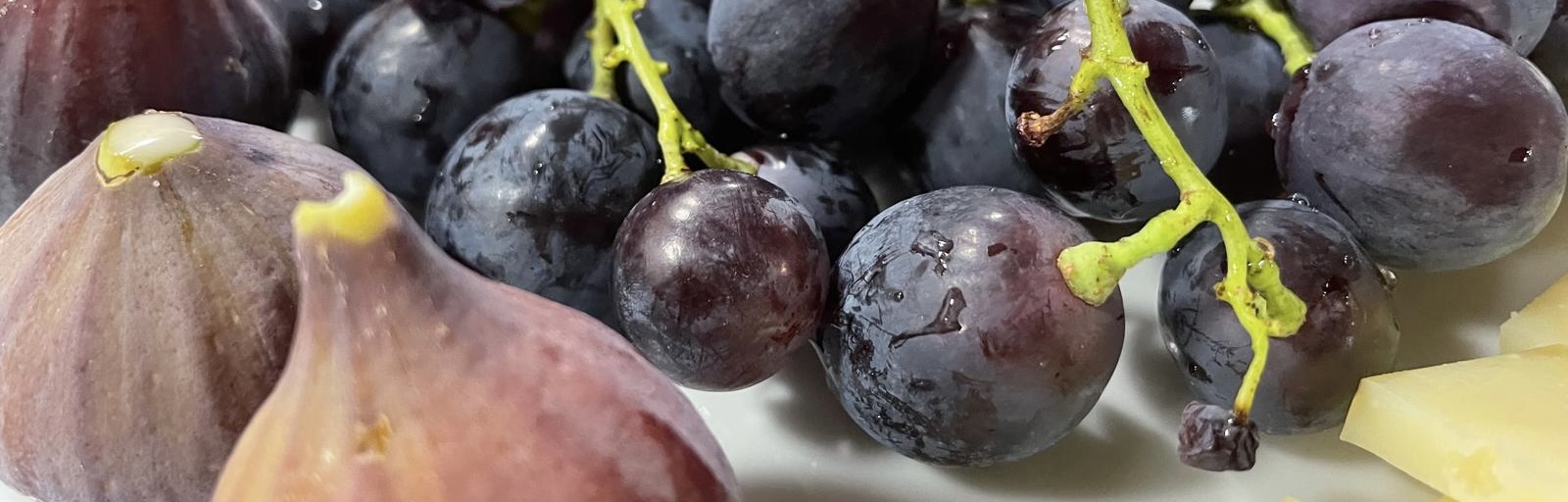
The lower vegetable patch – gone rampant but zucchinis coming to an end, the sweet peas gone to seed and tomatoes also coming to an end. Grapes this year however are supurb.
The lavender
Those planted this spring after struggling over winter have grown well. The weed matting and mulch seems to have worked well and as yet we’ve not needed to water them. Very encouraging for our grander plans.


We’ve started preparing where we want to plant on the terraces. After our trip to Assisi we’re now replicating their method and already have five strips of weed cloth down. This should suppress the grass and weeds prior to planting and help retain moisture. We now need to see where we can source plants from.


The rows are 40m in length so the quanity needed rapidly gets up there with planting 40cm apart. Why 40cm? This is the distance between the drip outlets of the irrigation hoses. That’s 100 plants per row. Might be pricey.
Lina too want to convert a field into lavender, so over the next fews years our hill side will be a statement on the Sigromigno hills.
Water
The grand plan is in progress. At this stage the proof of concept sort of works. We can get water into the well and use an immersion pump to supply the irrigation and fill the pool.
The more detailed account is Water Plan Phase one Spring 2024
Using the well as a water source seems to work. There is an optimum fill value. Anything more drains out over a day or so. We’ve beff ed n keeping stats to get some idea as to inflow, loss and usage. Not prefect but useful for now.

Need more accurate measurements. A Coke bottle on the end of a measuring tape sort of works but does skew the data. At one point the well gained water overnight without being filled. Good LoRa & Arduino prejects for the next 6 to 8 weeks.
The Olives
They are doing superbly well with an abundance of fruit setting well. When the trees were pollarded single branches were left. These are laden with fruit, so much to harvest. We just need a good October without the rain and wind we had last year.
We’ve also deployed a Bayer product “Decis Trap Olivo” this year. An olive fly trap. The system is biologically certified but the chemicals in the traps no doubt are not but contained. Will monitor these later to see how effective they are. Tuscany Regional council also publish detailed maps of where there are infections with one one a couple km from us. Useful to have the tools.
We’ve subscribed to an Italian Olive magazine and Google translate is very effective. A recent article on combatting the Mosca (Bactrocera oleae) naturally advised that groves should not be neatly mown but have areas of undisturbed grass & scrub land adjacent and between the trees. Logic is that this allows the mocsa predators to thrive an act as a control – mainly spiders and beetles.
This aligns with thoughts we’re having to leave areas of our and the neighbours uncut next year. Not only as a measure for olive management but to stimulate wild life and plants. Over the past couple of years we’ve not mown that hard and frequently and there is more variety in the fields.

Leave a Reply